4 Key Factors That Impact Building Foundation Piling in Melbourne, VIC
Building foundation piling in Melbourne, VIC, is the backbone of stable, long-lasting structures, where soil diversity and urban complexity demand careful planning. Whether you are overseeing a commercial site, a new industrial development, or a major infrastructure upgrade, understanding the factors that shape piling decisions ensures every stage of construction is robust, compliant, and future-proof.
Below, we unpack the critical elements that directly influence your foundation piling construction strategy and set the groundwork for successful piling support structure outcomes.
1. Soil Conditions: The Ground Truth for Every Project
Before installing a single pile, it is essential to investigate what lies beneath the surface. In Melbourne, VIC, and neighbouring areas, soil conditions can be unpredictable. Reactive clay soils are especially common, prone to significant expansion and contraction as moisture levels change. This brings the risk of differential movement leading to concern for anyone responsible for building foundation construction.
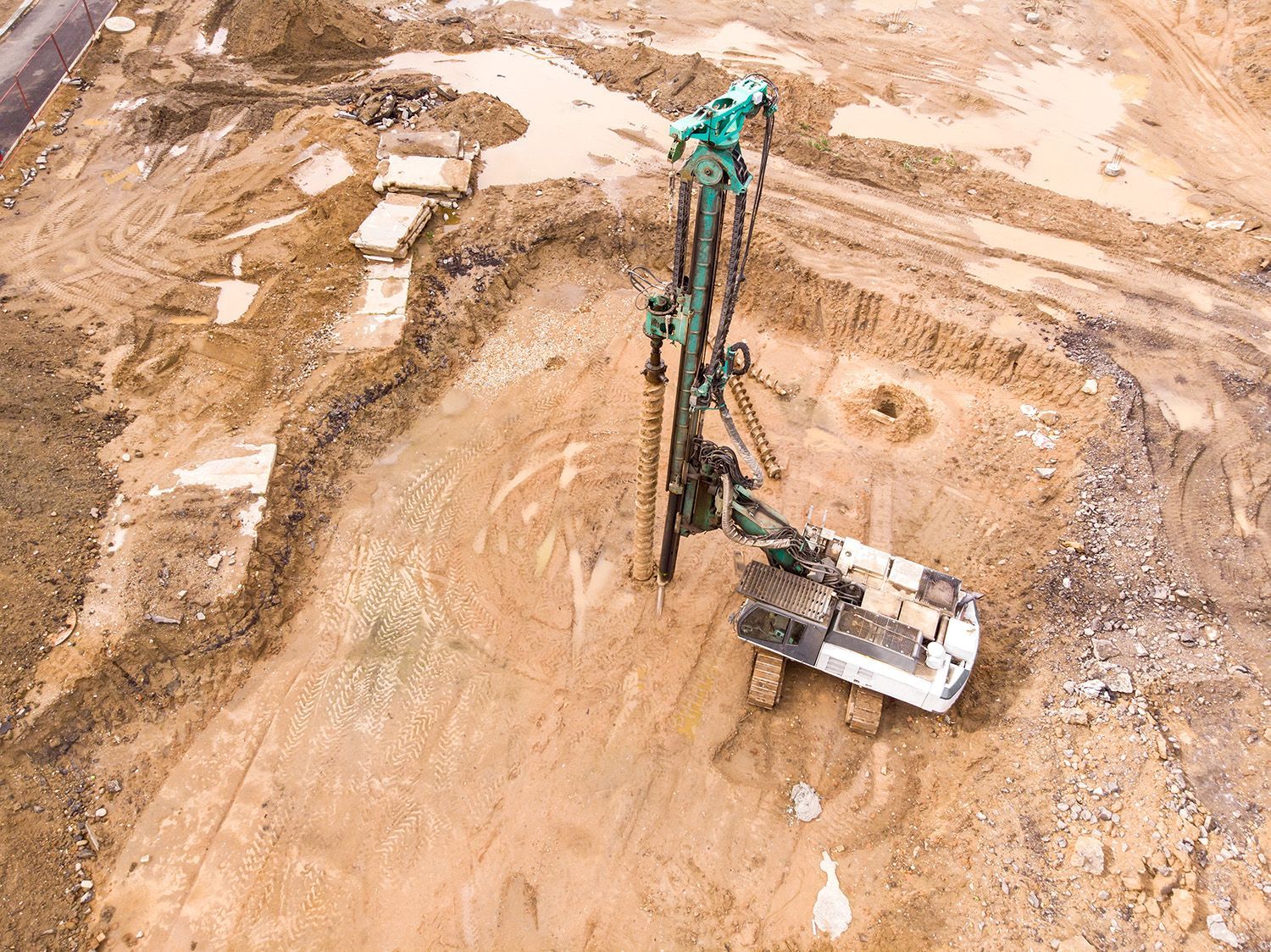
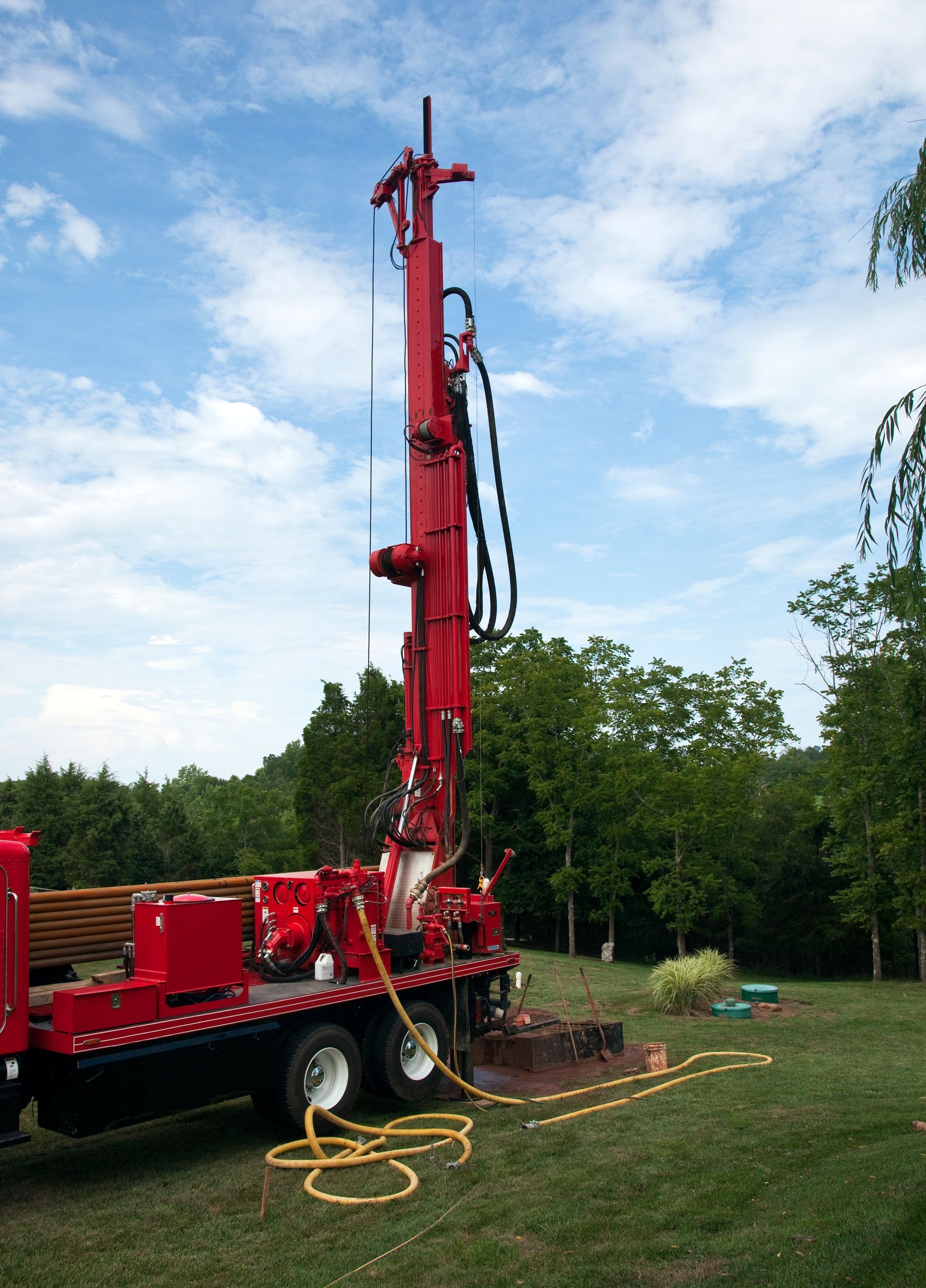
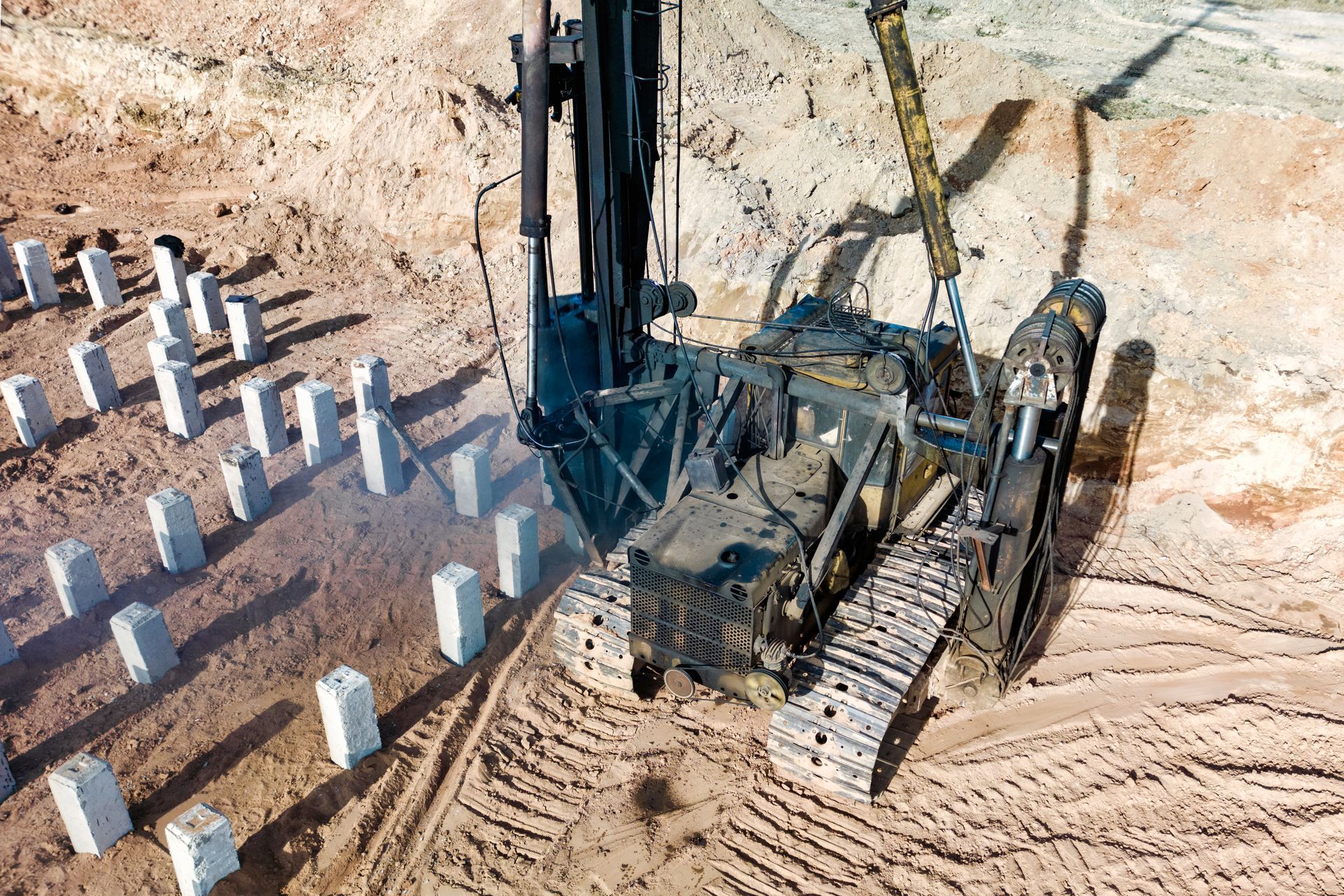
Piling specialists will often start with comprehensive site investigation reports, reviewing geotechnical data so that the right building foundation piling type is specified for the project. Driven, bored, and screw piles all perform differently based on whether the site contains clay, silt, fill, or rock. Selection is precise, guided by engineering and practical experience, to ensure the foundation behaves as required in the face of weather swings or groundwater changes.
By addressing these subsurface realities early, builders, civil builders, and consulting engineers reduce settlement risks, prevent future remediation, and safeguard the project timeline. If unpredictable ground is part of your next job, detailed soil testing and expert input are essential steps for any piling infrastructure work.
2. Site Access: Navigating Urban Density and Tight Spaces
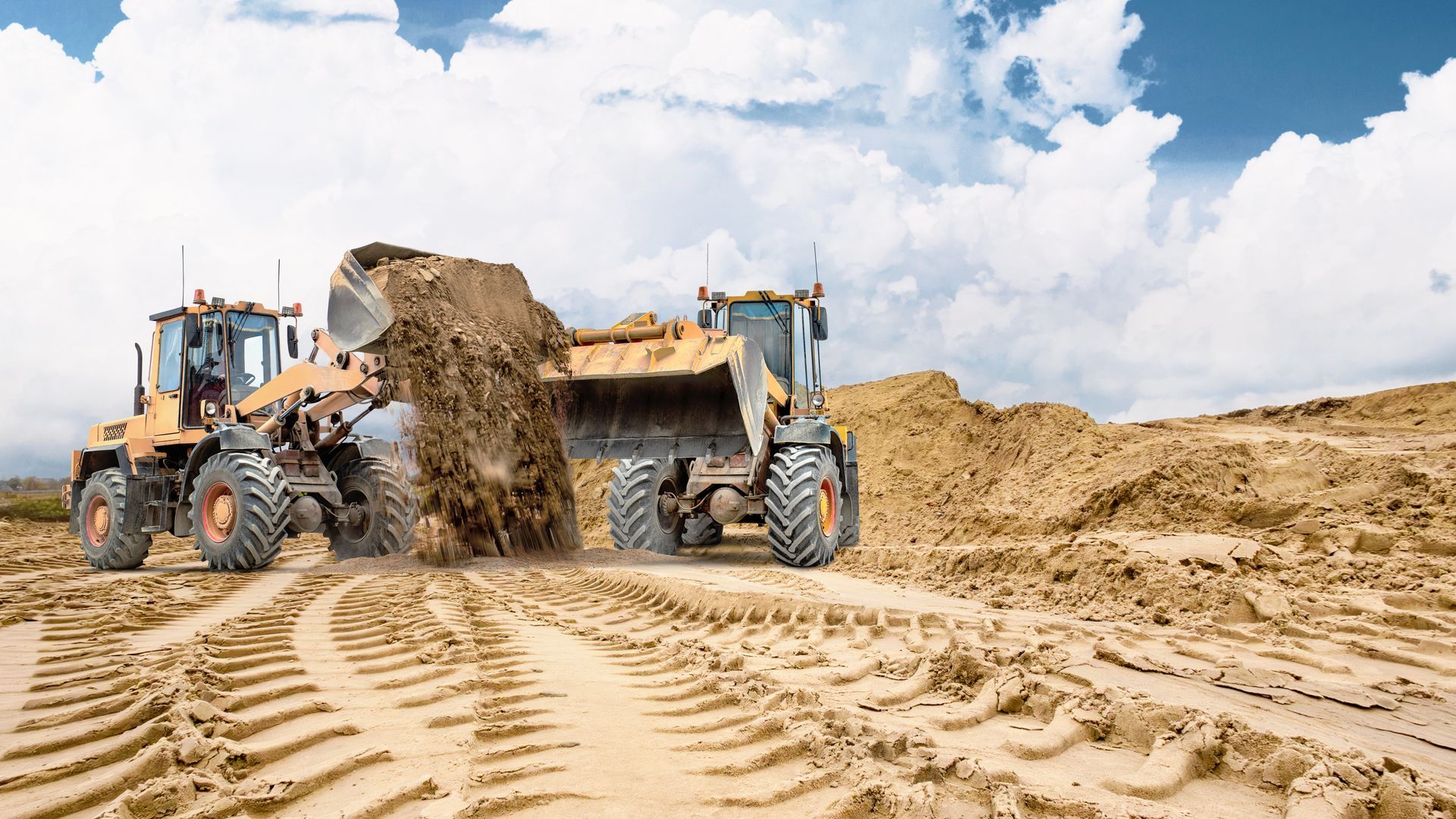
Melbourne, VIC’s growing population and busy urban environment bring unique challenges for construction access. Limited space is the norm for many foundation piling system projects. Narrow laneways, adjacent buildings, and high pedestrian traffic can restrict the movement of large machinery and impact installation methods.
Practical solutions begin with early-stage planning: assessing not just where piles will go, but also how equipment, materials, and teams can safely and efficiently reach the site. Logistics management might include night work to minimise disruption or selecting low-vibration, low-clearance machinery to operate safely in built-up areas.
These considerations highlight why a proactive, communication-driven approach is crucial. Up-to-date stakeholder notices, proper traffic management, and streamlined delivery schedules all help keep piling projects on track, even in crowded precincts. Site-specific access strategies are non-negotiable for timely, compliant, and safe building foundation piling.
3. Project Type and Structural Demands
No two projects are the same, and the intended outcome directly informs the approach to building foundation construction. Industrial plants, multi-storey commercial buildings, public transport upgrades, and public-use infrastructure all present their own unique pressures on foundation design.
Infrastructure piling must account for variable live and dead loads, vibration, and long-term settlement. For civil builders and consulting engineers, aligning the piling approach with the structural requirements, usage profile, and lifecycle expectations of the finished asset is crucial.
Clarity in project documentation ensures that everyone, from the design engineer to the site team, knows exactly what is expected: depth, diameter, load capacity, and tolerances are all quantified and verified. This amount of precision supports a right-first-time outcome, reducing the likelihood of costly rework or compliance delays.
4. Melbourne, VIC-Specific Influences: Weather, Water, and Regulation
Building foundation piling around Melbourne, VIC, is uniquely shaped by local conditions. Sudden downpours can quickly saturate clay-rich sites, while seasonal water table changes may influence both the methodology and timing of piling works. Robust environmental planning and water management measures are essential, particularly for sites near waterways or in low-lying suburbs.
Local government and state regulations require close attention to detail at each phase of the process. Permitting, council notifications, and environmental safeguards must be observed from initial investigations through to final sign-off. Employing a team with current local experience delivers confidence in smooth project execution, even as requirements evolve.
What Affects Piling Decisions? A Clear, Straightforward Answer
For decision-makers new to building foundation construction or looking to optimise the next project, the key influencing factors can be summarised simply:
- Site Soil Profile: Determines pile type, depth, and installation method.
- Site Accessibility: Impacts machinery selection and logistics planning.
- Project Type and Load Needs: Dictate foundation design criteria.
- Melbourne, VIC-Specific Factors: Demand tailored solutions for clay soils, water management, and regulatory compliance.
A well-executed piling infrastructure project not only meets engineering specs but also addresses safety, schedule, and budget, all while responding to site realities unique to greater Melbourne, VIC.
Choosing a Building Foundation Piling Partner Who Gets It
In commercial and infrastructure projects, time is money and trust is built on transparent communication, practical skill, and proven attention to safety. Engaging a team that understands both the technical and local landscape is essential for getting it right the first time.
From initial consultation to post-install cleanup, open dialogue and clear reporting give clients visibility at every step. No surprises, no crossed wires, just an ongoing partnership so project risks are managed up front.
Get a Reliable Building Foundation Today
If you are planning or managing construction that requires building foundation construction, A Access Piling & Rock Drilling delivers expertise. Speak with our team to discuss your site conditions, access challenges, or specific structural piling work requirements.
Reach out to A Access Piling & Rock Drilling for dependable, compliant building foundation piling. Call
0418 353 238 today.
![View of a worker’s legs with a piling rig drilling dirt.][](https://irp.cdn-website.com/805c87a1/dms3rep/multi/opt/AdobeStock_1921968992-1920w.jpeg)