Bored Piers vs Screw Piles: Which Foundation Piling Contractors Solution Suits Your Adelaide Project in 2026?
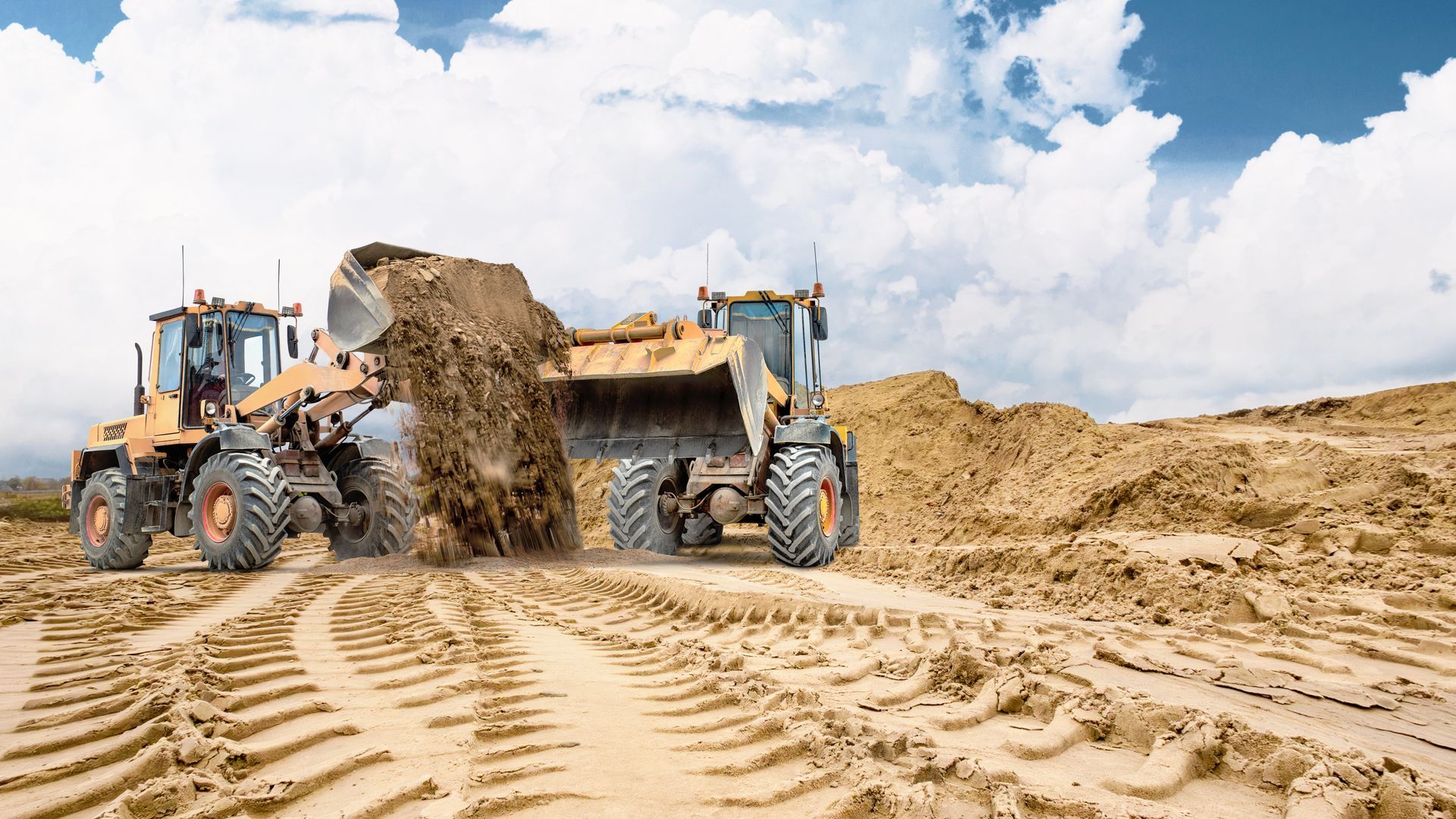
Choosing the right foundation method for an Adelaide, SA, project in 2026 affects structural safety, timeline, and cost. Experienced Piling Contractors regularly recommend two methods on South Australian sites: bored piers and screw piles. Both transfer building loads into stable ground, but they work differently and suit different conditions.
What Are Bored Piers and Screw Piles?
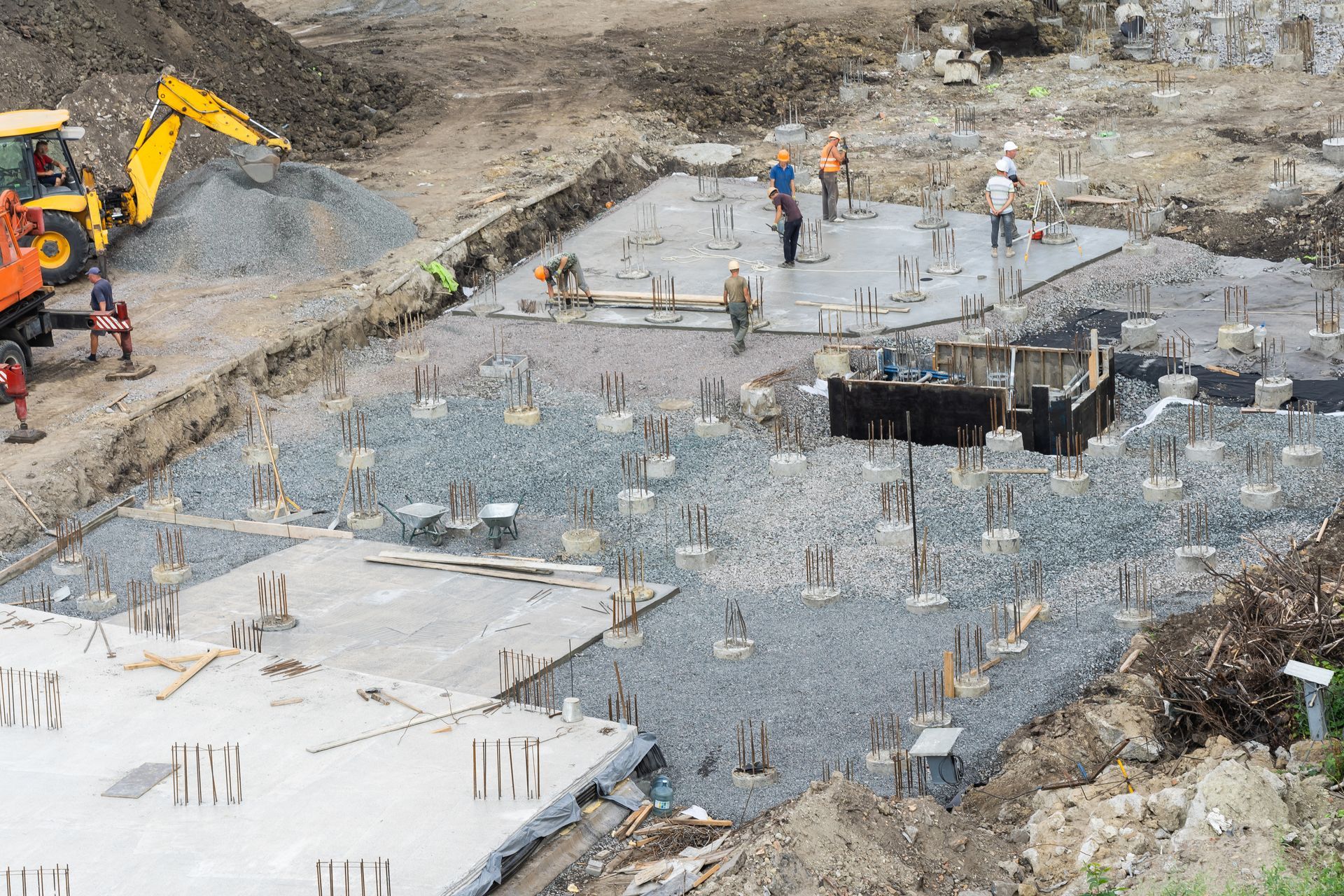
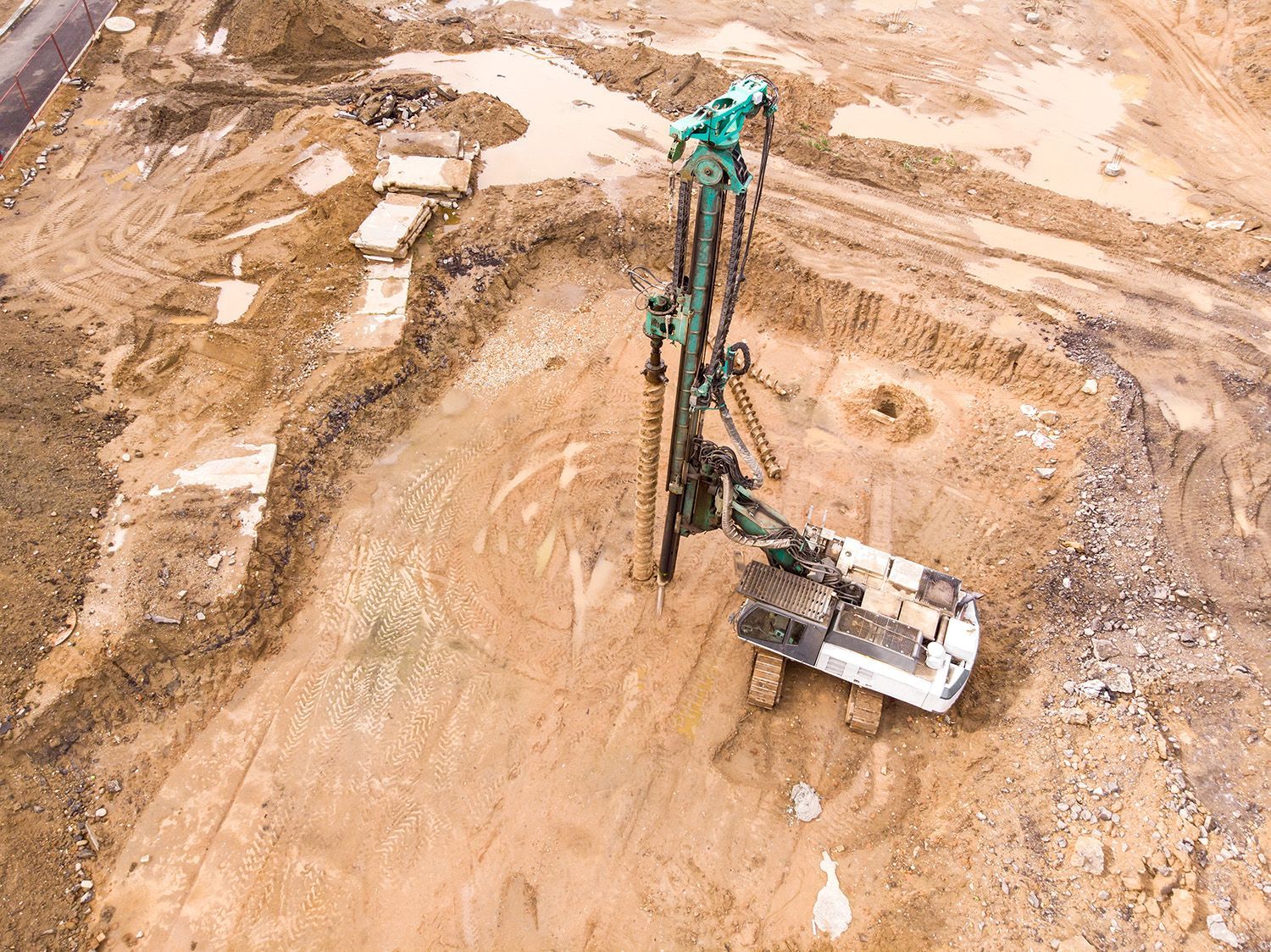
Both are deep foundation elements that bypass weak surface soils to reach stable bearing ground. A bored pier is formed by drilling a cylindrical hole, placing a steel reinforcement cage, and filling it with concrete. A screw pile is a steel tubular section fitted with helical plates that is mechanically rotated into the ground.
Both methods suit residential and commercial projects across Adelaide, SA. The right choice comes down to soil classification, load requirements, and programme constraints.
When Are Bored Piers the Right Choice?
Bored piers suit projects carrying heavy structural loads, including multi-level buildings, bridge foundations, and large commercial builds. Their concrete mass provides high load-bearing capacity where a structural engineer specifies significant founding depths.
Adelaide's plains carry predominantly Class H reactive clay, where seasonal moisture changes cause notable swell and shrink. Bored piers reach deep below this active zone to anchor into stable strata. On inner-suburban commercial sites in suburbs such as Norwood, Wayville, or Brompton, where column loads are heavy and geotechnical reports call for large-diameter piling, experienced Piling Contractors may specify bored piers as the preferred solution.
One consideration: installation produces soil spoil, requires concrete placement, and may need casing in collapsing soils, which can extend programme time on tight sites.
When Do Screw Piles Suit Adelaide Projects Better?
Screw piles are particularly well suited to Adelaide's reactive clay conditions. Driven mechanically past the reactive layer without excavation, there is no spoil to remove and no concrete cure time to wait on.
This makes screw piles practical for residential projects across Adelaide's northern and southern corridors, including Mawson Lakes, Morphett Vale, and Christie Downs, where Class H1 and H2 reactive clay is common. They also perform well in low-lying coastal areas around Glenelg and Semaphore, where high water tables can compromise a concrete bore.
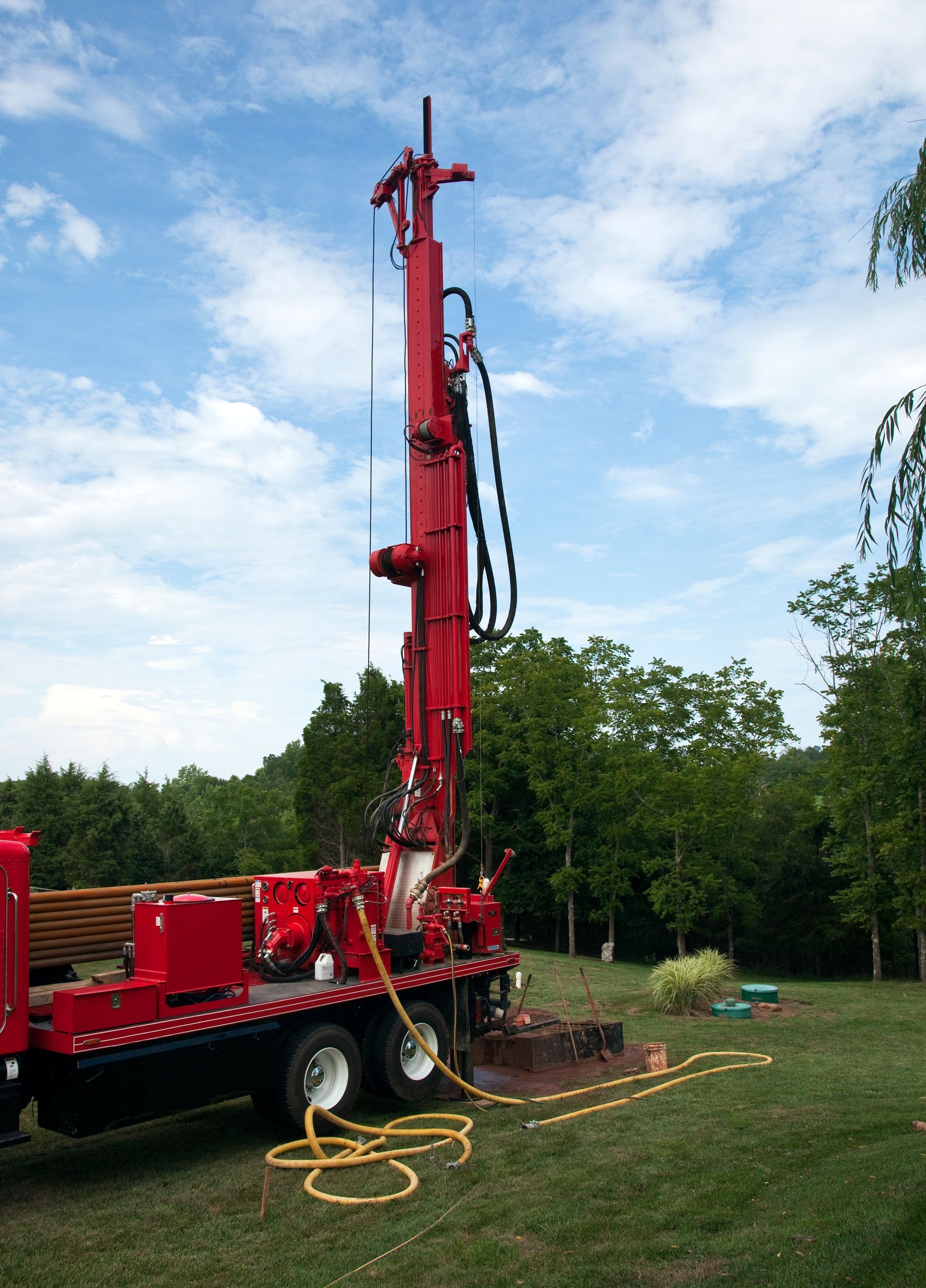
Installation is typically faster than bored pier work. A small screw pile rig can pass through a 1-metre side passage, which matters on established suburban blocks with restricted access. For Local Building Excavations where site constraints limit equipment movement, screw piles are often the more practical choice.
A Simple Decision Framework for Your 2026 Project
Narrow your options using these guidelines. Choose bored piers when your project carries heavy commercial or multi-storey loads, your engineer specifies large-diameter concrete piling, or rock drilling is required to reach stable strata. Choose screw piles when your site has confirmed Class H or Class E reactive clay, you need fast installation with minimal spoil, or access is restricted.
In both cases, a geotechnical soil test is essential before any method is selected.
What Does Installation Cost?
Cost depends on pile depth, diameter, site access, and ground conditions. Screw pile materials may cost more per unit, but the absence of spoil removal, concrete trucks, and cure time can make total costs comparable on reactive clay or restricted sites.
How Long Does Installation Take?
Smaller residential jobs are often completed in one to two days. Larger commercial projects can take several days depending on ground conditions and pile count.
Talk to the Adelaide Piling Specialists
A Access Piling & Rock Drilling has delivered Piling Contractors services to residential and commercial clients across Adelaide, SA, since 1989, covering bored piers, screw piling, rock drilling, and large-diameter piling.
Visit the
Adelaide piling services page or
get in touch directly to discuss your site requirements. Call
0418 353 238 or email info@accesspiling.com.au to request a quote.
![View of a worker’s legs with a piling rig drilling dirt.][](https://irp.cdn-website.com/805c87a1/dms3rep/multi/opt/AdobeStock_1921968992-1920w.jpeg)